
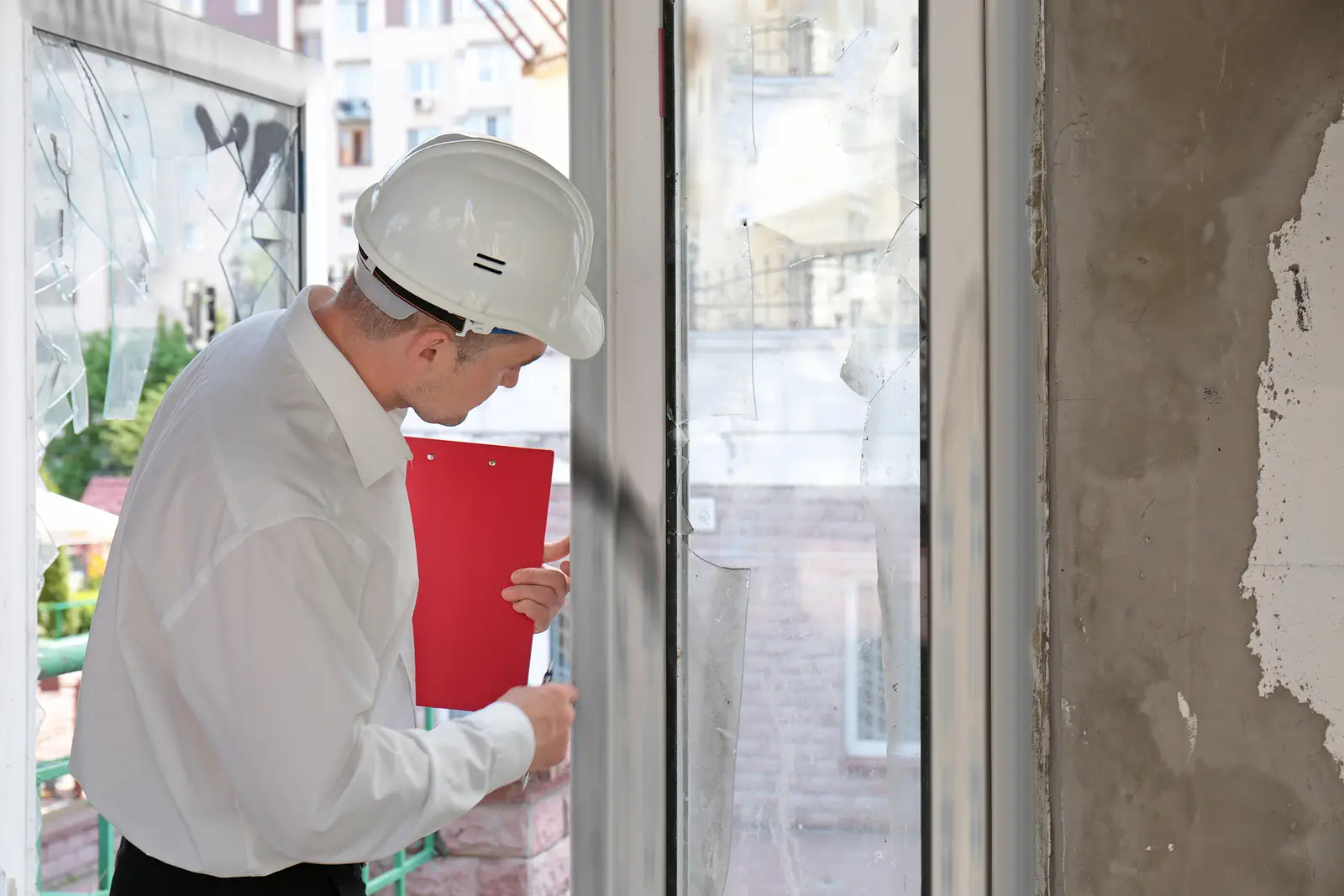
Ask a Southern New Hampshire landlord how many times they've called a plumber for the same unit this year, and the answer usually says more than they realize. Knowing legal and optional tenant property maintenance responsibilities helps separate what falls on the property itself from what a tenant might have caused, and more often than not, it's the property.
Plumbing, roofing, and HVAC systems rarely fail in one dramatic moment. They wear down gradually, and the median owner-occupied home in the U.S. is now 41 years old, according to the U.S. Census Bureau's American Housing Survey, a figure that lines up closely with much of Southern New Hampshire's housing stock. Repeat repairs are often the first real sign that a system is running out of time.
Key Takeaways
- Repeated repairs on one system typically signal age, not chance.
- A repair history review helps owners catch failing components early.
- Planning replacements ahead of time protects cash flow.
- Reliable systems reduce tenant complaints and support renewals.
- Coordinated contractor management saves money over a property's lifespan.
When the Same Fix Keeps Showing Up
A dripping faucet gets patched. A few weeks later, a different section of pipe starts leaking. Then something else fails near the water heater. Each repair looks separate on paper, but underneath, they're often connected.
Plumbing corrodes across an entire network, not in one isolated spot. A roof loses integrity as a whole system, even when damage only appears in one section. HVAC equipment wears down internally long before a tenant notices weak airflow or a strange sound.
Systems That Tend to Repeat
Across our portfolio, these systems generate the most repeat service calls:
- Water heaters and supply lines
- HVAC compressors and blower motors
- Roof flashing and shingles
- Exterior siding and trim
- Window seals and frames
Two or more repairs on the same system within a year deserve a closer look before approving another quick fix.
Learning From a Difficult Year
Sometimes it takes a genuinely rough year of repairs for an owner to realize a pattern exists at all. Looking back at the warning signs that only make sense after a bad year in Southern New Hampshire, many owners find the same systems kept showing up on their invoices long before they connected the dots. Recognizing that pattern sooner saves both money and stress.
Aging windows illustrate this clearly. One drafty window might just need a new seal. Three or four windows in the same unit showing the same symptom point to material age across the whole property, not a single bad installation.
Recognizing When Repair Stops Making Sense
Small repairs make financial sense while a system remains structurally sound. Eventually, the accumulated cost of repeat fixes exceeds what a full replacement would cost outright.
Watch for these signals:
- The same system needs service more than twice within a year.
- Each repair costs noticeably more than the one before it.
- Emergency or after-hours calls become routine rather than rare.
- Related damage, like warped flooring or water stains, keeps reappearing.
None of these alone demands an immediate decision. Stacked together, they build a strong case for planning a replacement rather than scheduling another patch job.
Who Actually Pays for the Fix
One question comes up constantly when repairs start repeating: who's responsible for the cost? Understanding whether property managers pay for repairs in New Hampshire clears up a lot of confusion before a bigger system failure forces the conversation.
Reviewing your own repair records can surface patterns such as:
- Plumbing leaks clustering around the same fixtures
- HVAC repairs appearing right before seasonal changes
- Appliances failing on a predictable schedule
- Roof leaks returning after significant storms
Owners who track this information stop reacting to emergencies and start planning around known cycles instead, which usually lowers total spending over time.
Making Sense of the Data Behind Every Work Order
A single work order tells you almost nothing. A full year or two of maintenance history tells you plenty. The Joint Center for Housing Studies of Harvard University estimated that homeowners spent close to $503 billion on remodeling and repairs in 2024, a figure that reflects just how much upkeep the nation's aging housing stock requires.
Few owners can replace every aging system at once, so prioritizing matters. Weigh these factors against each other:
- Remaining repair costs versus full replacement costs
- How much service life a system likely has left
- The effect on tenant satisfaction and complaint frequency
- Whether timing allows for planned budgeting instead of a rushed decision
Cutting Through the Chaos of Repeat Repairs
Constantly chasing down contractors for the same recurring issue drains time that could go toward growing a portfolio instead. That's exactly the kind of chaos smarter contractor management for New Hampshire landlords is designed to eliminate, replacing scattered service calls with a coordinated plan.
Seasonal HVAC checks, annual roof evaluations, and routine plumbing assessments give owners the chance to catch wear before it turns into a weekend emergency. This approach also builds trust with residents, since tenants notice when issues get resolved quickly and don't keep resurfacing.
Getting a Clear Picture of Where You Stand
Understanding a property's true condition starts with an honest assessment rather than guesswork. A free rental analysis can help determine whether recurring repairs point to a bigger investment opportunity or a replacement you haven't budgeted for yet. Clear accounting practices then help you see exactly how that maintenance spending affects your overall returns.
FAQs about Recurring Repairs in Southern New Hampshire
Is it better to replace an aging system all at once or handle it in stages?
It depends on the system. Roofing and HVAC often work best when replaced fully, while plumbing can sometimes be phased section by section, spreading cost over time without sacrificing reliability.
What should I ask a contractor before hiring them for a recurring issue?
Ask how many times they have addressed similar problems in comparable homes, what their warranty covers, and whether they document findings. Clear answers signal experience with age-related repairs specifically.
Does a property's location within Southern New Hampshire affect how quickly systems age?
Yes, somewhat. Homes closer to lakes or wooded areas often see faster wear on roofing and exterior materials due to moisture and debris, while urban properties may see more plumbing strain.
How do I know if I am spending too much on repairs relative to my rental income?
Compare your annual repair costs against your rental income using a simple percentage. If maintenance regularly consumes a large share of income, replacement likely offers better long-term value than continued repairs.
Can PMI Granite State help me plan repairs around tenant lease dates?
Yes. We coordinate larger maintenance projects around lease turnovers and vacancy periods whenever possible, minimizing disruption to current tenants while still addressing systems that need attention.
Reading the Signals Before the Next Big Bill Arrives
Three service calls for the same water heater in one year isn't bad luck. It's a budget decision waiting to happen. PMI Granite State helps owners across Southern New Hampshire turn that kind of pattern into a clear next step instead of another invoice. Find out where your systems actually stand by visiting our maintenance services page, and start planning replacements before they turn into emergencies.